
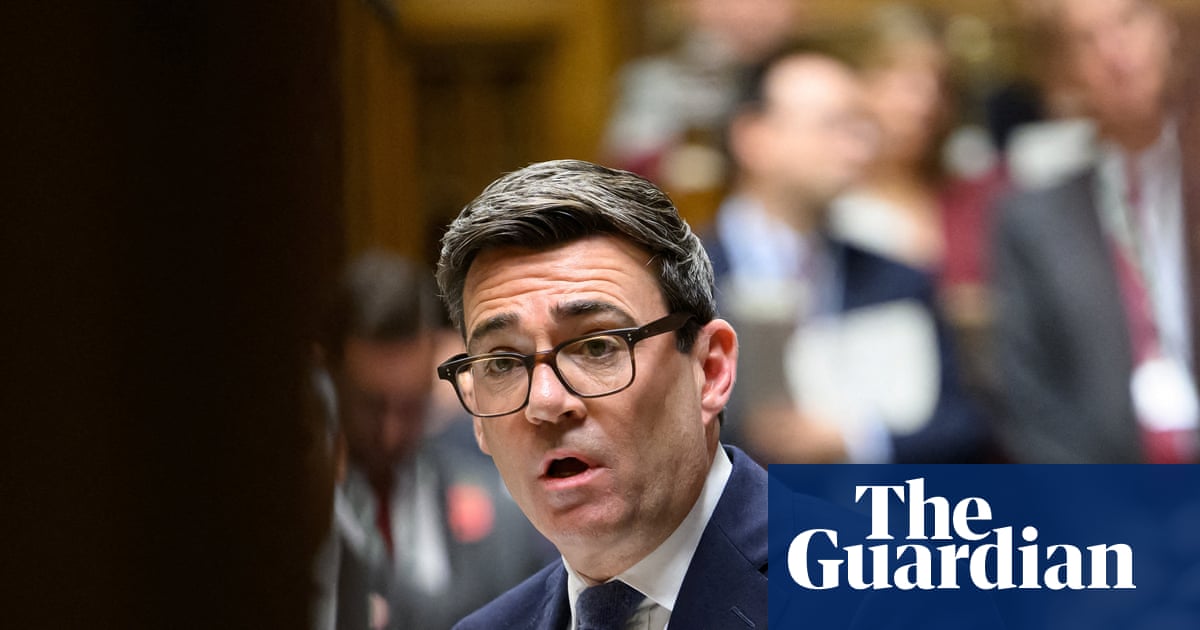
Apparently Burnham wrote a letter to ministers, in which he said this:
I am clear in my conviction that the Brexit deal negotiated by the Conservative government was not good enough for Britain… It has led to a decade of low growth, burdened businesses with more red tape and weakened our ability to control immigration. It is a harder Brexit than was promised at the EU referendum.
…we will need to consider the UK’s long-term relationship with the EU as part of our 10-year plan. I will set out the next steps for this process around the [UK-EU] summit.
Hopefully that summit brings some good news (i.e. closer relations between the UK and EU).
I totally agree. The new prime minister has pledged to end decades of neoliberalism. It is both rare and refreshing to hear any UK PM say any thing like this. I am fearful about the extreme ignorance, simple mindedness, and gullibility of some of the electorate. They are completely blind to the effects of neoliberalism, which is the main guiding force behind the bumptious and odious Farage, and fascist/racist Reform party (and many Americans) who believe that competition is the defining characteristic of human relations. It redefines citizens as consumers, whose democratic choices are best exercised by buying and selling, a process that rewards merit and punishes inefficiency. It maintains that “the market” delivers benefits that could never be achieved by planning. Attempts to limit competition are treated as inimical to liberty. Tax and regulation should be minimised; public services should be privatised. The organisation of labour and collective bargaining by trade unions are portrayed as market distortions that impede the formation of a natural hierarchy of winners and losers. Inequality is recast as virtuous: a reward for utility and a generator of wealth, which trickles down to enrich everyone. Efforts to create a more equal society are both counterproductive and morally corrosive. The market ensures that everyone gets what they deserve. We internalise and reproduce its creeds. The rich persuade themselves that they acquired their wealth through merit, ignoring the advantages – such as education, inheritance, and class – that may have helped to secure it. The poor begin to blame themselves for their failures, even when they can do little to change their circumstances. As written in today’s Observer, "People don’t want much. They want someone to love, somewhere to live, somewhere to work and something to hope for.” And Tim Forcer added "That would be a welcome change from much of UK politics, where many promote views that assume we mostly want someone to hate, someone to envy and someone to despise.”
I agree with you. Successful people often don’t want to recognise how much good luck they’ve had. Childhood privileges that others don’t have, job opportunities that others haven’t had, etc.
If we applied their thinking to every situation, we’d say something like “if a child in Gaza dies from an Israeli bomb, it’s the child’s fault, because they didn’t try hard enough to avoid the bomb”.
Even if a right-winger admits that children can have different circumstances, they might have an attitude of “once you hit 18, we’re all equal, and your effort is what determines your success in adult life”. But that’s not true. Some adults have a lot of privilege behind them, while others don’t. Some adults have health conditions which can be very difficult to manage in some cases, taking up time and money and effort, while other adults don’t have to worry as much about their health.
Thank you. This sums it up.
Please use paragraphs. Your posts are hard to read, especially on small screens.
What is it about Americans and paragraphs? Is it because of the responses to questions from ChatGBT or Claude?
Paragraphs aren’t an American invention and their usage long predates LLMs. They just help make walls of text more easily read.