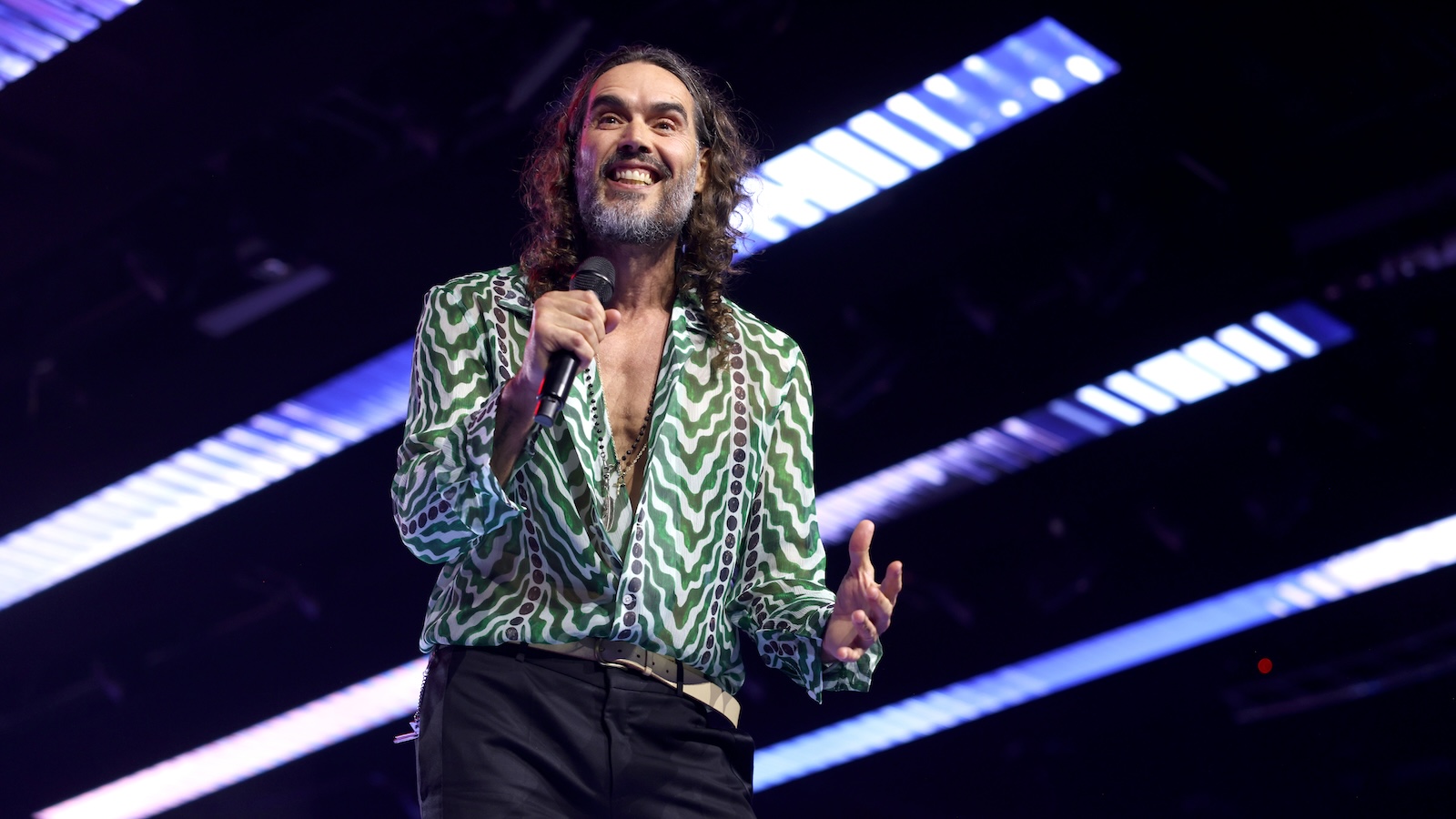
The never-published High Court order Russell Brand won in 2015: a lifelong gag on his accuser, Sylvie Berki, that bars her even from speaking to the police.
When anyone can say anything, those who yell loudest will drown out the others. That is definitely a problem. But more fundamentally, while differing opinions are useful on many issues, there are also many questions where one answer is right and another wrong. You cannot have people publicly saying that vaccines cause autism, or that deworming tablets can cure Covid-19. That stuff gets people killed.
Freedom of speech is a complicated thing, and a lot of peope have trouble understanding where the line is, even though it is fairly clear in principle.
Freedom of speech “ends” when that speech is a mechanism by which another crime is committed. It’s not the words that are illegal. It’s what the words bring into action.
If you offer to pay someone to kill your wife, you can’t get off by claiming freedom of speech, because you’re charged with conspiracy to commit murder.
If you lie about the terms of a contract, the crime is fraud, not speech.
If you yell “fire” in a theatre and people are hurt attempting to flee, the crime is inciting panic, not rhe word “fire.”
Ideally, telling an angry mob to march on the capital and “fight like hell” to prevent the certification of an election is fomenting an insurrection, not speech.
Any speech can be construed as a mechanism by which another crime is committed. At that point, it’s just semantics. Some countries hold that there is no absolute right to free speech. Others say there is, but that the speaker may commit other crimes in the process. As long as the result is the same, the distinction seems mostly academic.

When anyone can say anything, those who yell loudest will drown out the others. That is definitely a problem. But more fundamentally, while differing opinions are useful on many issues, there are also many questions where one answer is right and another wrong. You cannot have people publicly saying that vaccines cause autism, or that deworming tablets can cure Covid-19. That stuff gets people killed.
Freedom of speech is a complicated thing, and a lot of peope have trouble understanding where the line is, even though it is fairly clear in principle.
Freedom of speech “ends” when that speech is a mechanism by which another crime is committed. It’s not the words that are illegal. It’s what the words bring into action.
If you offer to pay someone to kill your wife, you can’t get off by claiming freedom of speech, because you’re charged with conspiracy to commit murder.
If you lie about the terms of a contract, the crime is fraud, not speech.
If you yell “fire” in a theatre and people are hurt attempting to flee, the crime is inciting panic, not rhe word “fire.”
Ideally, telling an angry mob to march on the capital and “fight like hell” to prevent the certification of an election is fomenting an insurrection, not speech.
Any speech can be construed as a mechanism by which another crime is committed. At that point, it’s just semantics. Some countries hold that there is no absolute right to free speech. Others say there is, but that the speaker may commit other crimes in the process. As long as the result is the same, the distinction seems mostly academic.