This rabbit hole just keeps going deeper and deeper… what else have they been hiding from us!? Next they’ll tell us the Founding Fathers read political philosophy and other nerd shit instead of being divinely inspired 😭
I mean that’s not that crazy of a claim, just mostly incoorect. The Six Nations had the matriarchs that made all the rules for peacetime and decided when they went to war, and they had the War Chiefs that handled the Braves and led the hunting parties. It’s kinda a bicameral system, at least there were definitely two separate groups that dealt with different aspects of life. Ultimately the matriarchs were in charge though, so that pretty well throws out the idea of a bicameral system.
so we’re clear, that actually is my claim. it is a form of bicameralism. as i recall the men did have some legislative proposal powers. i’ll need to crack a book again thought
The men did, but in my understanding the women had ultimate veto power. If the war chief’s ceremonial beads hit the ground, that’s a death/banishment sentence. They’d give you two chances to stop doing whatever they didn’t approve of, but ultimately if the women said no 3 times, you’re a dead man.
The only reason that I don’t consider that a bicameral system is that while the men may have been elected, the women were just all the women that lived to a certain age.
the great law of peace was established around 900 CE. english bicameralism was etablished in 1341 CE.
The Iroquois Confederacy is generally accepted to have been established in the 14th or 15th century AD, and possibly as late as the 17th century AD. No source I’m aware of suggests the 9th or 10th century AD.
both had influences on US bicameralism
The suggestion of serious Iroquois influence on the structure of the US government is extremely dubious.
i’ve never known any historian cite any date later than 1190 for the great law of peace with 1102 being the most commonly cited date. however indigenous historians tend to place the date earlier than european scholars and the commonly accepted date keeps shifting backwards toward those indigenous dates as we perform more archaelogical digs that confirm the oral record as being roughly accurate. i’d say late 1000s is probably the most likely
i won’t get into the debates about whether or not the Haudenosaunee Confederacy influenced the eurocentric ideals of the US founding fathers. scholarship is very split on the notion with Donald Grinde arguing it was the most influencial framing system on the constitutional congress, Jack Rakove arguing against all influence, and Charles Mann arguing for predominantly european influence with some indigenous influence (this is where i view things since the colonists, Iroquois, Cherokee, Creek, and Chocktaw were frequently engaged in complicated systems of alliances). all this to say you find scholarship arguing against all influence the most compelling and i accept that this is a serious good faith position to take.
i’ve never known any historian cite any date later than 1190 for the great law of peace
You mention Donald Grinde later in this comment, who notes later dates than 1190, as late as the 17th century.
i won’t get into the debates about whether or not the Haudenosaunee Confederacy influenced the eurocentric ideals of the US founding fathers. scholarship is very split on the notion with Donald Grinde arguing it was the most influencial framing system on the constitutional congress, Jack Rakove arguing against all influence, and Charles Mann arguing for predominantly european influence with some indigenous influence (this is where i view things since the colonists, Iroquois, Cherokee, Creek, and Chocktaw were frequently engaged in complicated systems of alliances). all this to say you find scholarship arguing against all influence the most compelling and i accept that this is a serious good faith position to take.
It’s a popular position amongst some, but I find it extremely dubious for multiple reasons. I think that in large part it’s an attempt to make the Iroquois Confederacy’s government structure part of the legacy of the US government. But that misses the point that the Iroquois Confederacy’s government structure is valid on its own accomplishments, without needing to be tacked on to the later Anglo government to be noteworthy and impressive.


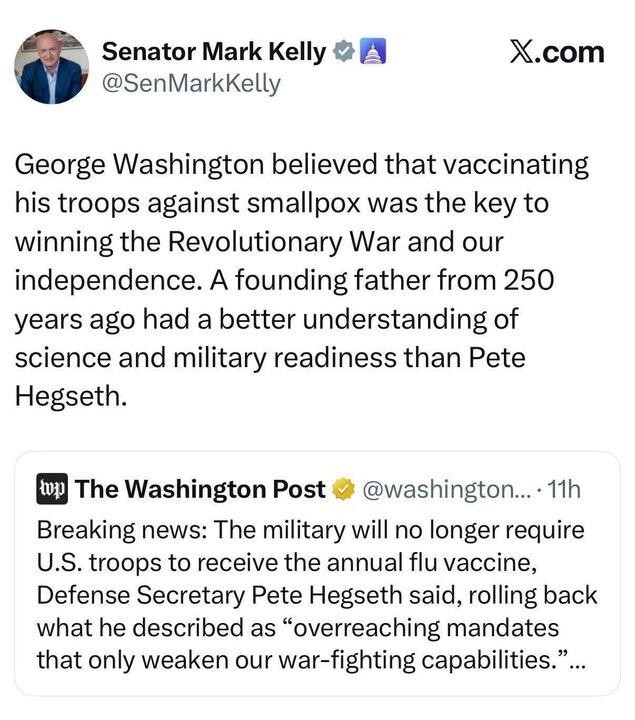
I mean to be fair George Washington was literally Br*tish.
This rabbit hole just keeps going deeper and deeper… what else have they been hiding from us!? Next they’ll tell us the Founding Fathers read political philosophy and other nerd shit instead of being divinely inspired 😭
i bet someone’s gonna say something crazy like that bicameralism was an Iroquois innovation
I mean that’s not that crazy of a claim, just mostly incoorect. The Six Nations had the matriarchs that made all the rules for peacetime and decided when they went to war, and they had the War Chiefs that handled the Braves and led the hunting parties. It’s kinda a bicameral system, at least there were definitely two separate groups that dealt with different aspects of life. Ultimately the matriarchs were in charge though, so that pretty well throws out the idea of a bicameral system.
so we’re clear, that actually is my claim. it is a form of bicameralism. as i recall the men did have some legislative proposal powers. i’ll need to crack a book again thought
The men did, but in my understanding the women had ultimate veto power. If the war chief’s ceremonial beads hit the ground, that’s a death/banishment sentence. They’d give you two chances to stop doing whatever they didn’t approve of, but ultimately if the women said no 3 times, you’re a dead man.
The only reason that I don’t consider that a bicameral system is that while the men may have been elected, the women were just all the women that lived to a certain age.
That would be strange considering English bicameralism predates the European discovery of the Americas.
the great law of peace was established around 900 CE. english bicameralism was etablished in 1341 CE. both had influences on US bicameralism
The Iroquois Confederacy is generally accepted to have been established in the 14th or 15th century AD, and possibly as late as the 17th century AD. No source I’m aware of suggests the 9th or 10th century AD.
The suggestion of serious Iroquois influence on the structure of the US government is extremely dubious.
i’ve never known any historian cite any date later than 1190 for the great law of peace with 1102 being the most commonly cited date. however indigenous historians tend to place the date earlier than european scholars and the commonly accepted date keeps shifting backwards toward those indigenous dates as we perform more archaelogical digs that confirm the oral record as being roughly accurate. i’d say late 1000s is probably the most likely
i won’t get into the debates about whether or not the Haudenosaunee Confederacy influenced the eurocentric ideals of the US founding fathers. scholarship is very split on the notion with Donald Grinde arguing it was the most influencial framing system on the constitutional congress, Jack Rakove arguing against all influence, and Charles Mann arguing for predominantly european influence with some indigenous influence (this is where i view things since the colonists, Iroquois, Cherokee, Creek, and Chocktaw were frequently engaged in complicated systems of alliances). all this to say you find scholarship arguing against all influence the most compelling and i accept that this is a serious good faith position to take.
You mention Donald Grinde later in this comment, who notes later dates than 1190, as late as the 17th century.
It’s a popular position amongst some, but I find it extremely dubious for multiple reasons. I think that in large part it’s an attempt to make the Iroquois Confederacy’s government structure part of the legacy of the US government. But that misses the point that the Iroquois Confederacy’s government structure is valid on its own accomplishments, without needing to be tacked on to the later Anglo government to be noteworthy and impressive.
Why did the Br*ts name him after an American city though? 🤔
Georgetown?