The problem I have with entirely killing the feature is that I think that the alerting feature has cases where it’s really important.
I remember a story a while back about a German town that flooded after severe, unexpected rains meant that an upstream dam was at risk of failure and had to release large amounts of water.
The authorities knew that the flood was coming and had a small amount of time to warn people, but many people were not made aware. As I recall, they didn’t use the “alert everyone in an area system” emergency thing, but used mass-sending SMSes and similar, which take time to go out and don’t have the same audible alarm. Many people did not get the alert.
German flood alert system criticised for ‘monumental failure’
Questions raised over lack of warning as death toll passes 150 and villages are left without drinking water, power or gas
The head of Germany’s federal office of civil protection and disaster assistance appeared to shift the blame to local authorities. “The warning infrastructure as such wasn’t our problem, but the question of how sensitive the public authorities and the population are in their response”, said the agency’s president, Armin Schuster.
Schuster told broadcaster Deutschlandfunk that digital warnings, such as through warning apps, text messages or emails, did not always reach all those at risk. Instead, he called for an investment programme to increase the number of flood-warning sirens in areas that could see more floods in the coming years.
Now, that is a legitimate example of where I very much want to have the government have the ability to reach me via pretty much any way possible. This is the sort of thing that such an alerting system exists for. The alert has immediacy, and must be dealt with now. It is important to the individual recieving it, provides new information that they will very probably want to have, and could not act in the absence of. Alternatives are not nearly as good.
The problem is that for this sort of system to work, it requires that the authorities exhibit great restraint in use of their power to immediately interrupt everything, everywhere in an area, and seize the attention of phone owners.


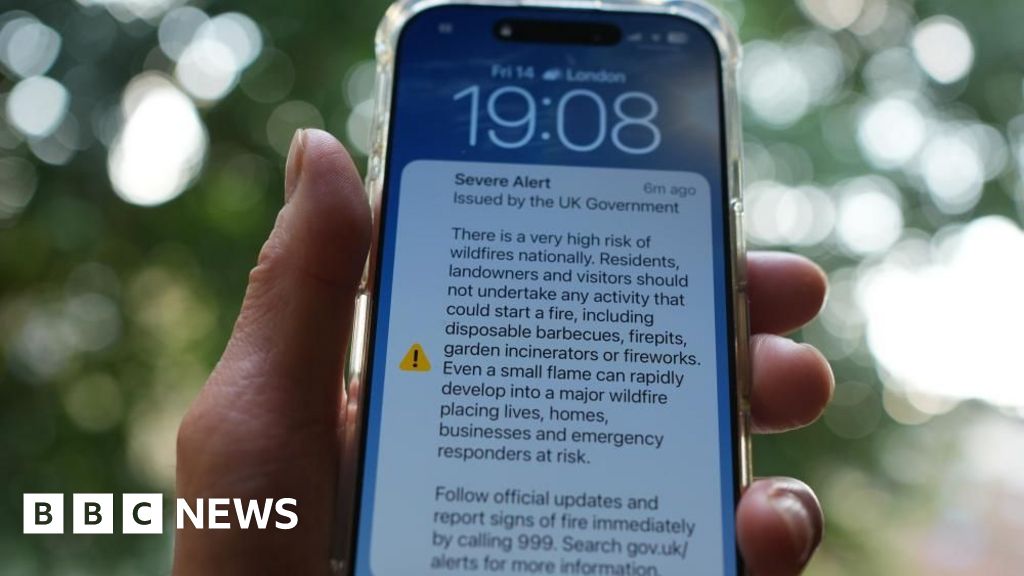
The damn things should be opt in. It’s my choice to take the risk of not getting an alert.
Considering most of us are surrounded by people with phones, many of them will go off, and we’ll learn about it that way, anyway.
I disagree about it being opt-in. Most people wouldn’t bother, making your next point moot.
I think this was probably not the best use of this system but ultimately this system could save many lives if there’s genuine risk to life.
It’s a mild inconvenience for about 5 seconds, I think people are making a bigger deal out of it than it really is.
Agreed. Unfortunately it isn’t, so instead opt out
https://www.gov.uk/alerts/opting-out
The problem I have with entirely killing the feature is that I think that the alerting feature has cases where it’s really important.
I remember a story a while back about a German town that flooded after severe, unexpected rains meant that an upstream dam was at risk of failure and had to release large amounts of water.
The authorities knew that the flood was coming and had a small amount of time to warn people, but many people were not made aware. As I recall, they didn’t use the “alert everyone in an area system” emergency thing, but used mass-sending SMSes and similar, which take time to go out and don’t have the same audible alarm. Many people did not get the alert.
searches
https://www.theguardian.com/world/2021/jul/19/german-villages-could-be-left-with-no-drinking-water-after-floods
Now, that is a legitimate example of where I very much want to have the government have the ability to reach me via pretty much any way possible. This is the sort of thing that such an alerting system exists for. The alert has immediacy, and must be dealt with now. It is important to the individual recieving it, provides new information that they will very probably want to have, and could not act in the absence of. Alternatives are not nearly as good.
The problem is that for this sort of system to work, it requires that the authorities exhibit great restraint in use of their power to immediately interrupt everything, everywhere in an area, and seize the attention of phone owners.