

so do regions that eat these spices every day have less cancer?
No.
This was published in MDPI, a predatory publisher with a poor track record for peer review.
The entire study was done in one cell line in vitro.

Fair enough, I’m not an expert, but agree that you’d need far more evidence before making the bold claim.
Which is what proper peer review would conclude.
But how do you know that? I don’t know what the reputable and predatory nutrition journals are.
It’s not always obvious. Science journalists should know.
Science Daily, which is linked here, is well rated. cf https://mediabiasfactcheck.com/science-daily/ So you can hardly be blamed here. But this article appears to be bad reporting.
This article makes or repeat bold claims about treating a medical condition from an in-vitro experiment, without any measurement of the effect on actual humans. Not an expert, but my understanding is a clinical trial is necessary to draw conclusion about the effect on a medical condition in human.
Although additional studies in animals and humans are needed to confirm these effects, this work provides a clearer explanation of how everyday foods and natural compounds may help regulate chronic inflammation. Over time, this could play an important role in supporting long-term health.
Hopefully what they saw with a few cells in vitro can help prepare a medical trial with proprer controls. If and when such trial occurs, then maybe it’ll be possible to draw early conclusions about a (probable) effect on medical conditions.
Good point.
Is the publishing journal a better indication of low-quality research than the research institution that conducted the study (the Tokyo University of Science, in this case)?
Institutions don’t dictate quality. Harvard has a long history of garbage studies an various wankers.
TUS is NOT University of Tokyo.Quality can only be judged by critically reading the paper.
Probably, generally you want to publish in the best journal you can, and if the journal is know for bad/easy publishing then that would correlate better. Universities have many many research groups, so while generally good research institutions will probably have better research and paper quality you can still have worse ones.
Disclaimer: I am not in academia and decent amount of this is either directly from or based upon recently watching Explosions & Fire’s recent video on academia: https://youtu.be/4CbdVkcr-Nw
deleted by creator
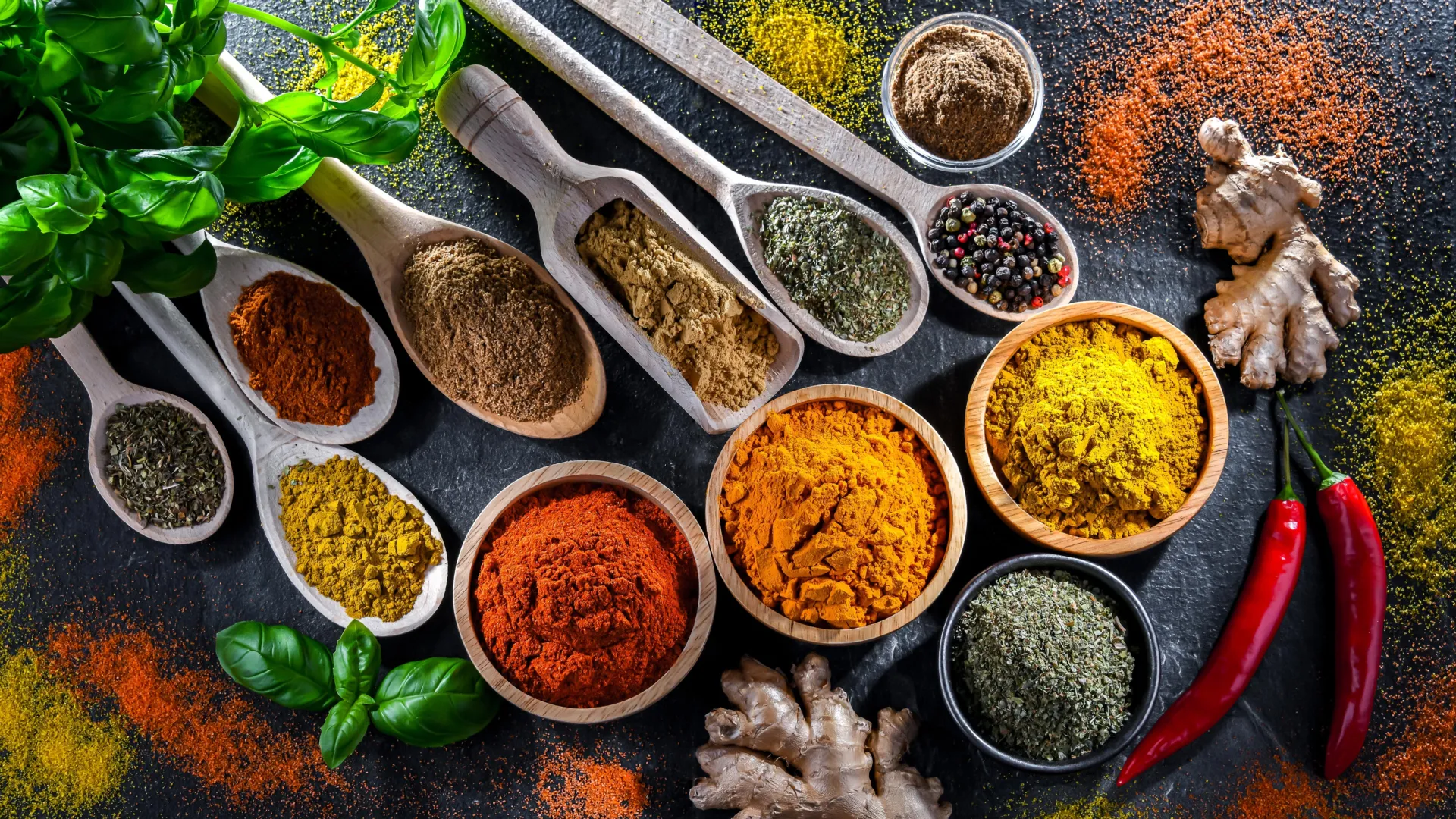
Also, the specific combinations that had the strongest effect were capsaicin (chili peppers) plus either cineole (eucalyptus) or especially menthol (mint). (The latter two have similar pathways, while the capsaicin is distinct; the benefit comes from using both pathways together.)
So, in short, eat more south asian cuisine?
Anyone else remember that map from a while back about picking a slice of the world that you could eat for the rest of your life?
Good to know, since I have both peppermint and red peppers in my garden. And I actually use both together often, with either ground meat or aubergines. (Plus cumin. Lots of. It goes great with both.)
I hate clickbait as much as anyone, but it’s in the summary: “everyday plant compounds—like menthol from mint, cineole from eucalyptus, and capsaicin from chili peppers—can team up”
They are just examples. I’m not going to give a list of examples in the title.
Doesn’t need to be in the title. Can be in the post itself.
but it is

?
Ah, on my instance/browser I see an autosummary under the title without having to paste it myself. Good to know.
Looks like a problem on your end. I can see it just fine on web and in Boost.
That’s an added autosummary; the content isn’t in the post itself.
Is it not a property of the post?
Please don’t mix chilli peppers with anti-inflammatory drugs, they wreck your guts as it is lol.
deleted by creator
Ok that would make for a good beer
Actually I’ve been thinking about trying brewing my own lately…
In higher doses, it extends life and grants prescience, allowing one to navigate fold-space.
Are there any culinary sources of eucalyptus (or cineole)?
bay leaf, rosemary, sage, peppermint, spearmint, sweet basil, thyme, oregano, cardamom, galangal, ginger, and cannabis.
All I have seen is marinading and infusing oil.
Hmm. Not quite groundbreaking, being a study on cells in isolation and no animal or human trials, but I would be interested to see how mice react to the combinations. It’s easy to cure cancer when working on a few cells on a dish.