To maybe be more clear: you are implying that the c in “soc” is pronounced like a “sh” when it’s the t in “tion”.
Is it not? How do you pronounce it?
Also I’m pretty sure that’s what the “ʃən” at the end of the pronunciation thing means.
Looking at the sound-by-sound pronunciation, it seems to confirm this.
/ʃ/ as in she
/ən/ as in sudden
I think the question was whether or not people pronounce the “soc” in “soccer” the same as they pronounce it in “association” (“soʃ” I guess), or like “sock”
I did provide a link where both the British and the American pronunciation treat the c as an s sound. They have the IPA as
/əˌsəʊ.siˈeɪ.ʃən/
for both dialects. “soc” does contain the c, not the t.
As I said, I’m not debating that the t in “tion” is pronounced that way (at least I tried to be clear, maybe I muddled it even more), but I have always pronounced the c as an s sound, and it appears Cambridge agrees with me.
Some British English dialects do use a ʃ sound for the C in “association”. OED has it listed for both UK and USA, though I don’t personally know what the US situation is there
The pronunciation tab there is paywalled, but in the OED app on my phone, they list /əˌsəʊsiˈeɪʃn/, followed by /əˌsəʊʃiˈeɪʃn/ in the pronunciation section. I honestly can’t recall ever hearing a single person in the US pronounce it /əˌsəʊʃiˈeɪʃn/, and though I won’t say nobody does, the other pronunciation is far and away more common, where the ‘c’ and ‘t’ make entirely distinct sounds.


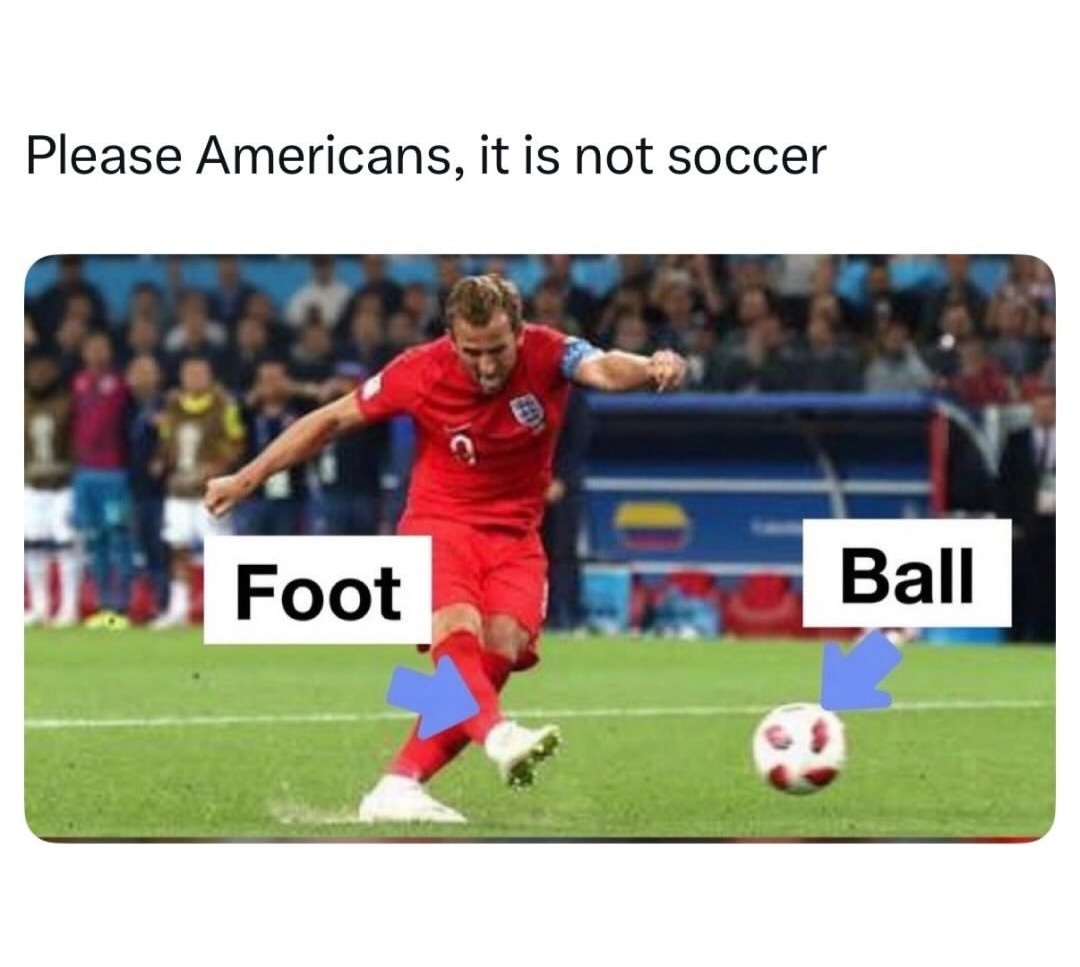
Is it not? How do you pronounce it?
Also I’m pretty sure that’s what the “ʃən” at the end of the pronunciation thing means.
Looking at the sound-by-sound pronunciation, it seems to confirm this.
I think the question was whether or not people pronounce the “soc” in “soccer” the same as they pronounce it in “association” (“soʃ” I guess), or like “sock”
I did provide a link where both the British and the American pronunciation treat the c as an s sound. They have the IPA as /əˌsəʊ.siˈeɪ.ʃən/ for both dialects. “soc” does contain the c, not the t.
As I said, I’m not debating that the t in “tion” is pronounced that way (at least I tried to be clear, maybe I muddled it even more), but I have always pronounced the c as an s sound, and it appears Cambridge agrees with me.
Some British English dialects do use a ʃ sound for the C in “association”. OED has it listed for both UK and USA, though I don’t personally know what the US situation is there
The pronunciation tab there is paywalled, but in the OED app on my phone, they list /əˌsəʊsiˈeɪʃn/, followed by /əˌsəʊʃiˈeɪʃn/ in the pronunciation section. I honestly can’t recall ever hearing a single person in the US pronounce it /əˌsəʊʃiˈeɪʃn/, and though I won’t say nobody does, the other pronunciation is far and away more common, where the ‘c’ and ‘t’ make entirely distinct sounds.