The problem, as I often say, is that just because something demos well and it’s easier to buy something doesn’t mean it’s going to be good in production. If you have a solar farm but you need to build a coal plant large enough to power the island anyway because you don’t have dispatchable power, then you end up with Australia, California, or Ontario, where “the cheapest power” causes electricity costs to rise. Meanwhile, In places like Norway, Quebec, and iceland, those renewables actually drove down electricity costs because the marginal cost of energy is very low and you don’t need to double up your infrastructure even if it’s expensive and difficult to build up-front.
Markets dislike the uncertainty of searching for the right geothermal conditions. Battery storage is just cheaper and certain. You also can’t gloss over the hydrogen sulfide pollution. Geothermal is not truly clean.
Maui and Kauai have small populations and are easy for wind +solar + storage. The Big Island has geothermal, but it is only going to supply 15% of the energy mix because of the pollution. They have the room for renewables for 200k people. Oahu is the challenge. It’s populous, dense, and needs approximately 1.8 GW. This is why biofuels are the current strategy.

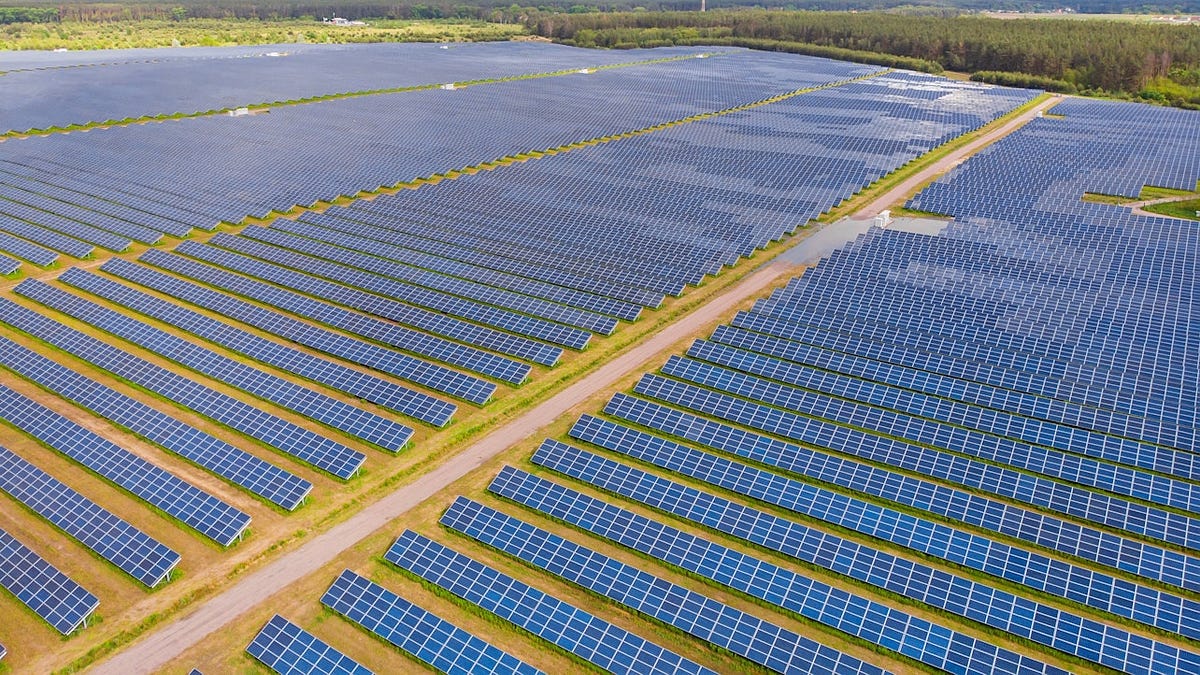
The problem, as I often say, is that just because something demos well and it’s easier to buy something doesn’t mean it’s going to be good in production. If you have a solar farm but you need to build a coal plant large enough to power the island anyway because you don’t have dispatchable power, then you end up with Australia, California, or Ontario, where “the cheapest power” causes electricity costs to rise. Meanwhile, In places like Norway, Quebec, and iceland, those renewables actually drove down electricity costs because the marginal cost of energy is very low and you don’t need to double up your infrastructure even if it’s expensive and difficult to build up-front.
Markets dislike the uncertainty of searching for the right geothermal conditions. Battery storage is just cheaper and certain. You also can’t gloss over the hydrogen sulfide pollution. Geothermal is not truly clean.
Maui and Kauai have small populations and are easy for wind +solar + storage. The Big Island has geothermal, but it is only going to supply 15% of the energy mix because of the pollution. They have the room for renewables for 200k people. Oahu is the challenge. It’s populous, dense, and needs approximately 1.8 GW. This is why biofuels are the current strategy.