

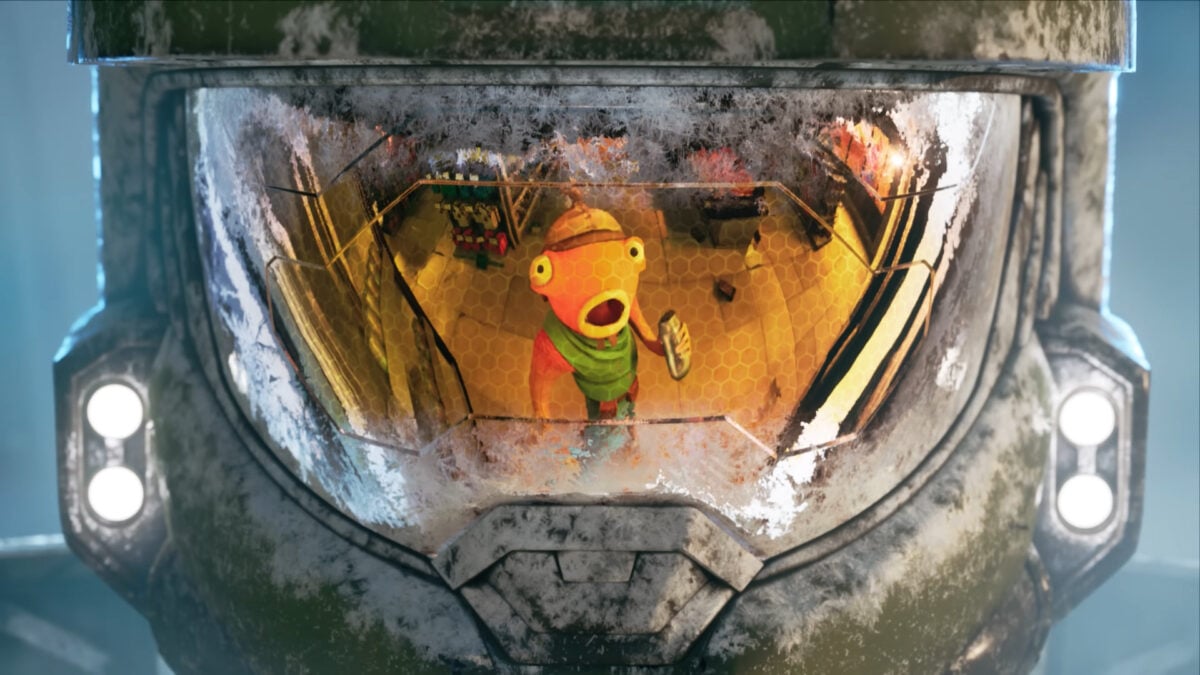
The past four weeks have been something of a wake-up call for the video game industry. You’ve read the headlines, so you know the deal by now: AI advancements spearheaded by Claude Opus 5.5 have turned the world of coding on its axis. Decompilations that used to take months, or even years, are now being pumped out on a daily basis, and publishers can’t keep up with the deluge of vibe-coded browser ports and “native” PC recompilations.
I’ve been covering and researching this over the past month, and there’s one recurring topic that keeps popping up in every comment section I read: karma. For many, this is the video game industry’s “you reap what you sow” moment, proof that the AI tools many publishers have brazenly admitted to using are a double-edged sword.
You will own nothing and be happy, megacorporations.
Well I own no Microsoft or epic products and I am happy, so it seems to be working.
This is TERRIBLE! RICH PEOPLE owned those Assests being Stolen! WHY couldn’t it JUST be POOR People being Stolen from?
-The US Government!
Hasn’t there already been precedent that copyright doesn’t cover AI generated works? So how to these companies plan on legally selling their games, when it’s actually legal to just copy and share them?
Purely generated AI content can’t be copyrighted.
However, mix some human effort in, the combined work can be copyrighted. In theory if you can prove a specific thing is purely AI output, it is fair game. Good luck doing so with proof.
The cases cited in this argument all had the would be rights holder stating flat out it was untouched by human hands. Once they did anything to it, the result would be “transformative” and the AI ness won’t count.
Also in this case, the games being decompiled were pre LLM. An LLM clone doesn’t spare the clone of legal issues. A company tried this argument that the knock off legal papers were AI and this fair game and they lost. When Getty sued, the counter argument was that output could be infringing, but it would be the responsibility of the operator.
Conveniently for the rich people, they have rights to make knockoff machines by ingesting everything without permission, but copyright of course still counts for their purposes.

